Alabama broadband access at 100 megabits per second in both directions is now available to 90 percent of addresses, according to a new state progress report. That is up from 25 percent in 2021, a 65-percentage-point gain in five years.
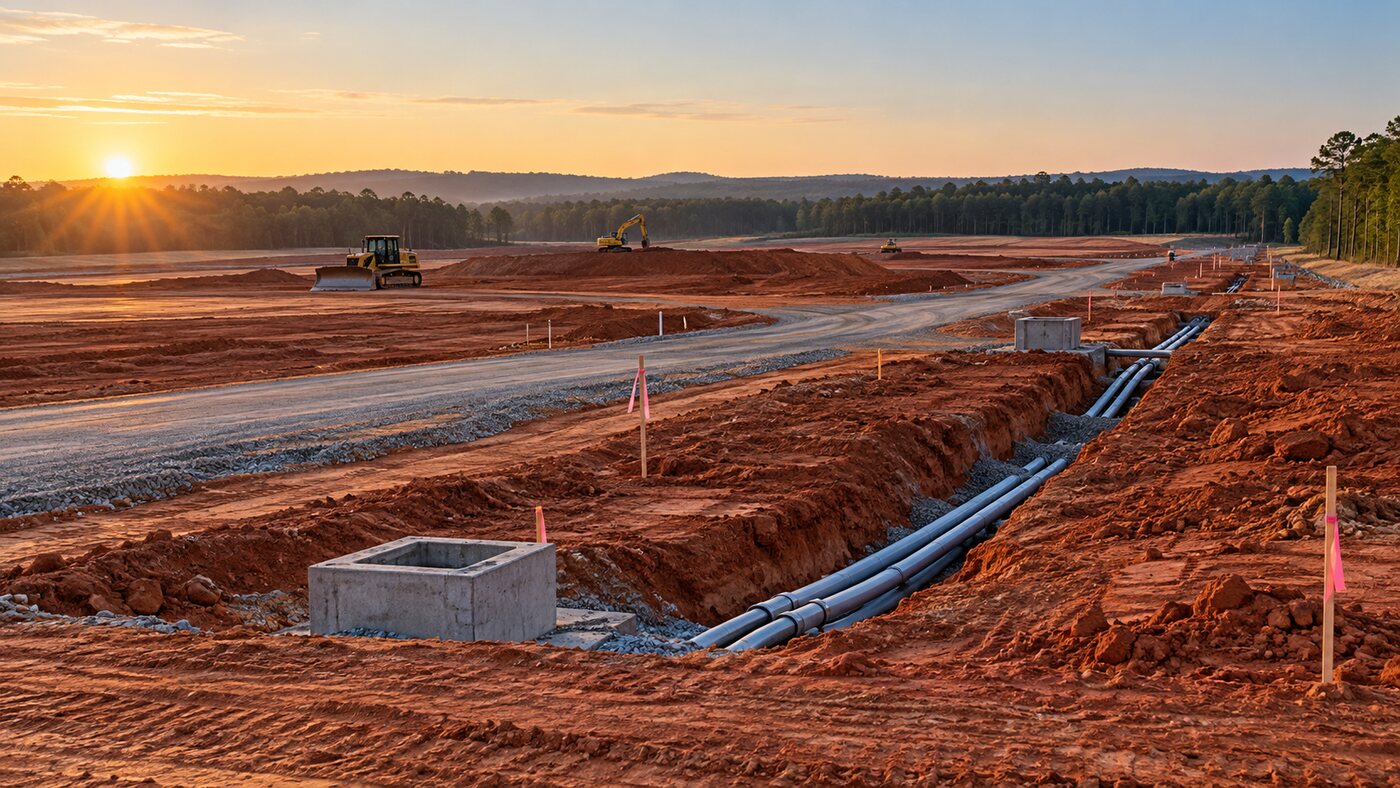
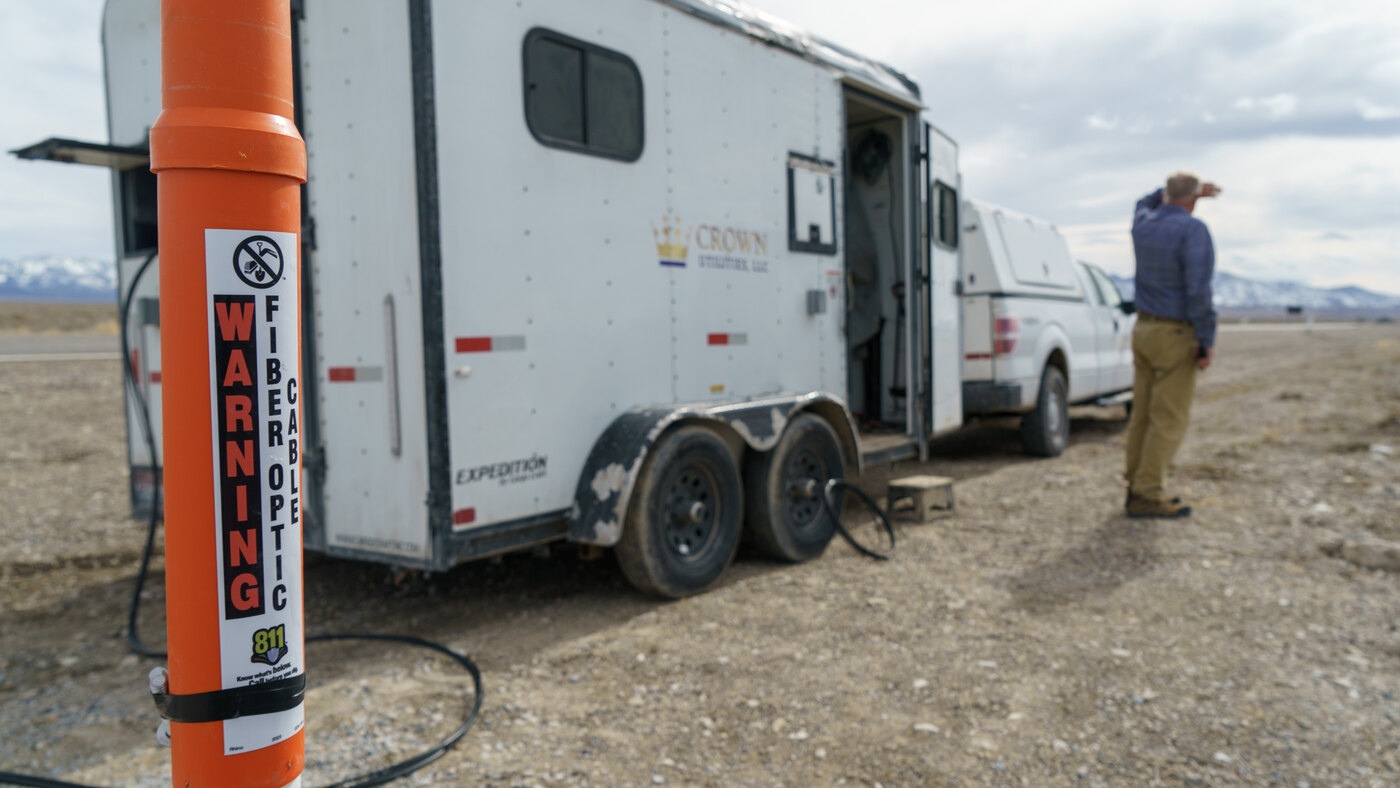
The Alabama Department of Economic and Community Affairs says more than 10,000 miles of fiber have been added through projects funded with American Rescue Plan Act money. The state reports that those projects connected more than 55,000 homes and businesses and more than 1,000 schools, hospitals, libraries, public-safety sites and other community institutions.
The statewide Alabama broadband access milestone is significant, but it does not mean every home can order the same service today. Availability varies by address, speed threshold and the update date behind each state map or summary.
Alabama broadband access by the numbers
The Nov. 9 state broadband account and the governor’s detailed release report these measures:
| Measure | Earlier point | Current state figure | What changed |
|---|---|---|---|
| Addresses with 100/100 Mbps available | 25% in 2021 | 90% in 2026 | Up 65 percentage points |
| Share without that availability | 75% | 10% | Down 65 points, an 86.7% reduction in the uncovered share |
| Fiber availability | 2021 baseline | More than twice as many locations | More than doubled |
| Residential broadband subscriptions | 2018 baseline | Up 40% through 2025 | Growth in household subscriptions |
| ARPA-funded fiber | No comparable baseline listed | More than 10,000 miles | New middle- and last-mile infrastructure |
The 86.7 percent calculation compares the uncovered shares: the gap declined from 75 percent of addresses to 10 percent. It does not mean 86.7 percent of every county’s remaining projects are complete.
Three programs built different parts of the network
Alabama’s broadband spending is not one grant pool. The state describes three connected layers:
| Program or layer | Published scale | Role in the network |
|---|---|---|
| Alabama Statewide Middle-Mile Network | More than $80 million; more than 7,000 miles across all 67 counties | Backbone routes linking regions and community institutions |
| Alabama Anchor Institution/Middle-Mile Program | $245 million | Fiber for schools, libraries, hospitals, public-safety agencies and local governments |
| Alabama Capital Projects Fund | More than $150 million | Last-mile extensions toward homes and businesses |
Middle-mile construction can bring high-capacity fiber through a county without automatically connecting every residence. Last-mile work is the step that carries service from the broader network to individual homes and businesses.
ADECA says state and federal broadband investment during the current administration exceeds half a billion dollars and approaches $1 billion when Broadband Equity, Access and Deployment commitments are included. The agency expects BEAD work to push availability toward nearly all Alabama addresses over the next several years.
Two state summaries use different speed definitions
Readers comparing state pages should watch the denominator and service threshold. The new milestone uses 100/100 Mbps, meaning 100 Mbps download and 100 Mbps upload availability.
The Be Linked Alabama community profiles separately classify addresses as served above 100/20 Mbps, underserved between 25/3 and 100/20, or unserved below 25/3. Those categories answer a different question from the symmetrical 100/100 milestone.
The profile page currently lists 2,200,310 total addresses, with 2,105,541 served, 41,647 underserved and 53,122 unserved. Those three counts sum to the displayed statewide total. However, the percentages printed beside the categories do not arithmetically match the displayed counts.
Because of that internal mismatch, readers should not combine the profile percentages with the new 90 percent Alabama broadband access figure as though they came from one synchronized dataset. The safest address-level check is the current Be Linked Alabama broadband map, followed by confirmation from a provider.
What the statewide milestone does not prove
Alabama broadband access data do not establish whether a household subscribes or can afford service. A network may pass an address while a household still faces installation charges, monthly cost, equipment limitations or a plan that does not deliver the advertised maximum at all times.
The state’s 40 percent growth in residential subscriptions is evidence that more households are buying service, but it does not establish that every newly served household can afford or has adopted broadband. It also does not replace a speed test or provider quote at a specific address.
For local planning, county leaders can use ADECA’s 67 county profiles to see older mapped strengths, gaps and funded areas, then compare those records with the current interactive map. Residents can use the same approach before assuming a statewide percentage describes their road.
Readers can follow infrastructure and grant analysis in Business and Money and use the Central Alabama public-service directory for permanent official links.
The next Alabama broadband access checkpoint is the December 2026 closeout for State and Local Fiscal Recovery Fund work. ADECA says it expects Alabama to use its full allocation; the final closeout should show which projects were completed or redirected.