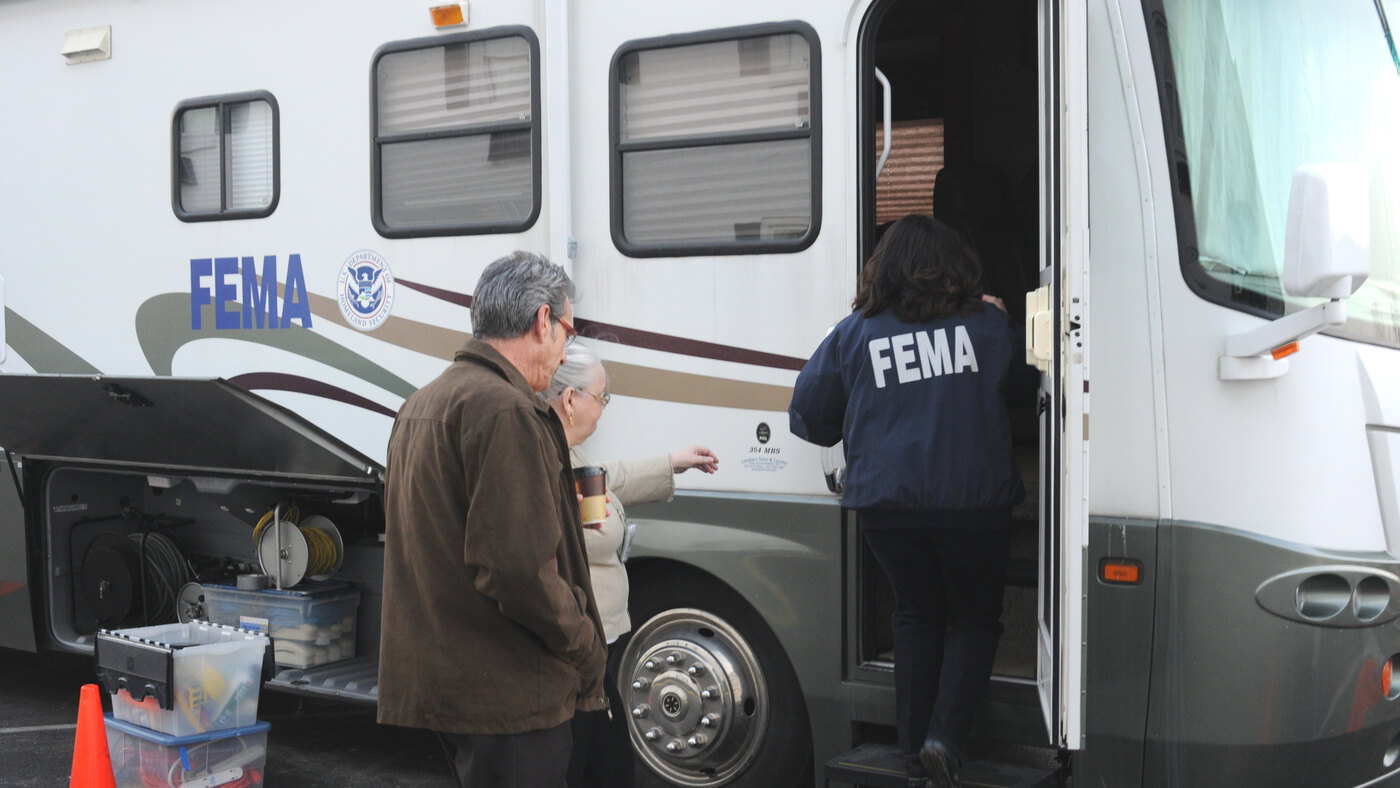
Florida flood centers opened Tuesday in Palm Bay, West Melbourne and Riviera Beach for people affected by the 2026 fall flooding. The Florida Division of Emergency Management lists all three Multi-Agency Resource Centers for 7 a.m. to 7 p.m. Eastern hours.
The centers are in Brevard and Palm Beach counties. They are intended as one-stop locations where residents can ask local, state, federal and nonprofit representatives about disaster assistance, food, water, housing, cleanup, emotional support and other recovery services.
FDEM advises visitors to bring identification, proof of residence, insurance information and records tied to disaster losses. A center visit can help a household navigate programs, but it does not guarantee eligibility or payment.
Florida flood centers and locations
The state fall-flooding recovery page listed these locations as opening Nov. 10:
| County and city | Center | Address | Listed hours |
|---|---|---|---|
| Brevard County, Palm Bay | Tony Rosa Community Center | 1502 Port Malabar Blvd. NE, Palm Bay | 7 a.m.-7 p.m. ET |
| Brevard County, West Melbourne | West Melbourne Veterans Memorial Complex | 2285 Minton Road, West Melbourne | 7 a.m.-7 p.m. ET |
| Palm Beach County, Riviera Beach | Wells Recreation Center | 2409 Avenue H West, Riviera Beach | 7 a.m.-7 p.m. ET |
FDEM’s page is a live recovery record. Residents should recheck the Florida flood centers before traveling because operating days, hours and participating organizations can change as the response moves forward.
What to bring to a recovery center
The state specifically asks visitors to bring records that help representatives understand where they live and what happened. A practical folder can include:
| – a driver’s license or other identification; |
|---|
| – homeowners, renters, vehicle or business insurance information; |
| – photographs of damaged property; |
| – repair estimates, receipts or contractor documents; |
| – letters, emails or claim numbers already received from an insurer or agency; and |
| – notes listing urgent needs and the people in the household. |
Residents should keep original documents when possible and provide copies unless a representative needs to inspect an original. Anyone who lacks one of the suggested records can still ask the center which substitute documentation a specific program accepts.
Services are broader than one application
Multi-Agency Resource Centers are not the same as a single FEMA application counter. FDEM says participating organizations can include FEMA, the Small Business Administration, state agencies and nonprofit partners. Available help can range from application guidance to food, housing and recovery-service referrals.
That distinction matters after a flood because different losses can follow different tracks. A renter seeking temporary housing, a homeowner documenting structural damage and a small business reporting an interruption may need different programs and different evidence.
The state page also links residents to active boil-water notices, county emergency-management offices, school closure information and Florida 511 traffic conditions. Those records can change more quickly than a published article, so the official status page should remain the last check before travel or a safety decision.
The business damage survey is separate
FloridaCommerce also opened a Business Damage Assessment Survey for the 2026 fall flooding. That survey helps the state measure physical and economic effects on businesses. It is not itself an application for financial assistance.
Business owners can use a recovery center to ask about available programs while separately submitting the damage survey if it applies to them. Keeping those two actions separate prevents a survey response from being mistaken for a completed aid application.
The same distinction applies to insurance. Reporting damage to the state does not replace notifying an insurer, and an insurance claim does not automatically register a household for government assistance.
A useful order for the visit
Before leaving home, residents can reduce repeat trips by taking four steps:
- Recheck the official FDEM page for the location and current hours.
- Put identification, residence, insurance and damage records in one folder.
- Write down the programs or problems that need answers, including housing, cleanup, food, transportation or business interruption.
- Record the name of each agency representative, the next required document and any deadline provided during the visit.
People who cannot reach one of the listed Florida flood centers can use the county emergency-management links on FDEM’s page to identify local options. For other public-service reporting, visit Community Services and the United States news hub.
The next checkpoint is the state’s live center list. FDEM has not placed a closing date beside the three Nov. 10 locations, so residents should confirm the schedule before making a later trip.